
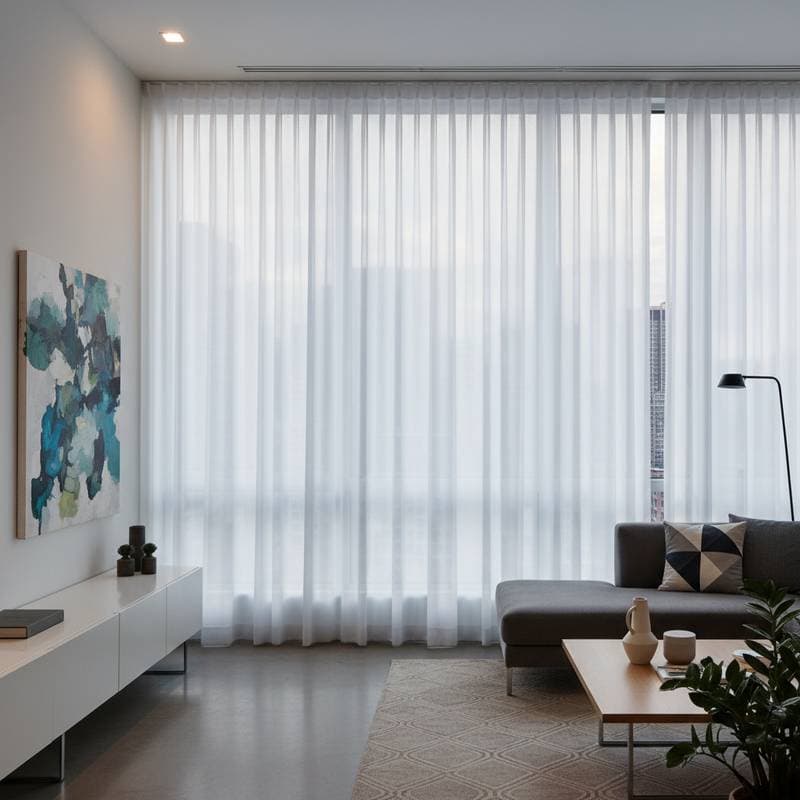
Why Ripplefold Curtains Create Taller-Looking Rooms
Curtains transform a room faster than most design elements. They soften edges, frame views, and manage light to influence mood and function. Pleated curtains long dominated for their tailored appearance, yet ripplefold curtains now emerge as a superior choice. These panels shift from high-end settings into everyday spaces, delivering a refined yet relaxed modern alternative.
This evolution addresses key issues in proportion, upkeep, and daily use. Whether in a rental or a renovated home, ripplefold drapery enhances perceived height and overall harmony.
Key Reasons Designers and Homeowners Select Ripplefold
Observers first notice the effortless movement and airy quality of ripplefold panels. These traits stem from practical benefits that position them ahead of pleated options for lasting value.
1. Sleek Lines for Contemporary Elegance
Ripplefold curtains form a smooth vertical descent that appears precise without rigidity. This style complements minimalist setups, mid-century accents, or classic structures by avoiding visual rivalry. It excels with solid hues or gentle textures such as linen blends, wool crepes, or recycled polyester voiles.
Design consultant Maria Leclerc observes that clients call ripplefold drapery architectural yet soft. She adds, It provides structure like a built feature minus the weight. Rhythm and flow emerge without excess.
To achieve taller-looking rooms, opt for floor-length panels that puddle slightly or just graze the floor. This elongates sightlines, drawing the eye upward and amplifying vertical space.
2. Enhanced Light Management
The subtle overlap in each ripplefold wave ensures even light blockage, unlike pleats that leave gaps. Mounted on ceiling tracks, they seal the top edge to eliminate unwanted light leaks. Homeowners who add blackout linings avoid the common frustration of residual glow.
In versatile areas like living rooms or offices, ripplefold setups layer seamlessly. Position a sheer front panel over a denser rear one on dual tracks for independent adjustment of light and seclusion.
For height illusion, sheer ripplefolds during the day maximize natural light from above, making ceilings seem higher. At night, opaque layers maintain privacy without compressing the space.
3. Effortless Functionality
Pleated curtains often snag on hooks, complicating smooth operation. Ripplefold systems employ carriers that glide along a seamless channel. Panels spanning ten to twelve feet shift with minimal effort, ideal for expansive windows or doors.
Installation proves straightforward, particularly in rentals or older properties with irregular walls. Ceiling or soffit mounting bypasses tricky bracket setups.
This ease contributes to taller perceptions by allowing full extension without bunching. Unobstructed panels hang straight, emphasizing room height over width.
4. Optimized Fabric Use and Care
Pleated designs demand up to 2.5 times the window width in fabric, while ripplefolds require less for comparable coverage. Lighter weight simplifies cleaning; panels detach via snaps for professional service or home laundering.
Sustainability benefits follow from reduced material needs, cutting costs and waste. Allocate savings toward premium options like recycled or organic fabrics for eco-conscious treatments.
Less bulk prevents sagging over time, preserving the elongated drape that enhances room stature.
Cost Comparison Insights
Ripplefold tracks carry a modest initial premium over pleat hardware, but fabric savings often equalize totals. Longevity adds value, as shapes hold without frequent adjustments.
For an 8-foot-wide by 9-foot-high living room window, expect moderate to mid-range pricing based on fabric. Pleated equivalents may match or exceed this after accounting for extra yardage and linings.
Budget-conscious renters find value in online kits with plastic tracks and adhesive snaps. These install without tools and remove cleanly, preserving deposits.
To maximize height on a budget, select lightweight sheers in ripplefold style. They diffuse light softly, lifting the room's visual ceiling.
Essential Design Considerations
- Track Options: Choose matte white for seamless ceiling integration or brushed nickel for refined contrast.
- Fullness Level: A 120 percent ratio yields soft waves that balance generosity and slimness.
- Fabric Choices: Linen blends or Tencel for airflow; velvet for cozy opulence.
- Lining Selections: Cotton sateen insulates effectively; dim-out versions offer discretion short of total darkness.
- Care Advice: Detach panels seasonally to remove dust and inspect hems for durability.
Renters benefit from clip-on snap tapes that adapt rod-pocket panels to ripplefold without alterations. This delivers modern fluidity affordably.
Implementing Ripplefold in Your Home
Assess your existing rod or track before upgrading. Ripplefold hardware fits many standard mounts after bracket removal. Record ceiling-to-floor measurements and window dimensions, then select fullness.
Fabric retailers and online services supply pre-cut ripplefold panels, minimizing custom work.
Test fabric drape by draping a sample yard over your hand. Soft curves indicate suitability for wave formation, ensuring the panels enhance height through fluid lines.
Benefits of Daily Ripplefold Use
Ripplefold curtains integrate seamlessly into routines, offering reliable performance year-round. Their design promotes a sense of openness and elevation in any space. Homeowners report sustained satisfaction from the blend of style, function, and ease that elevates both aesthetics and livability.