
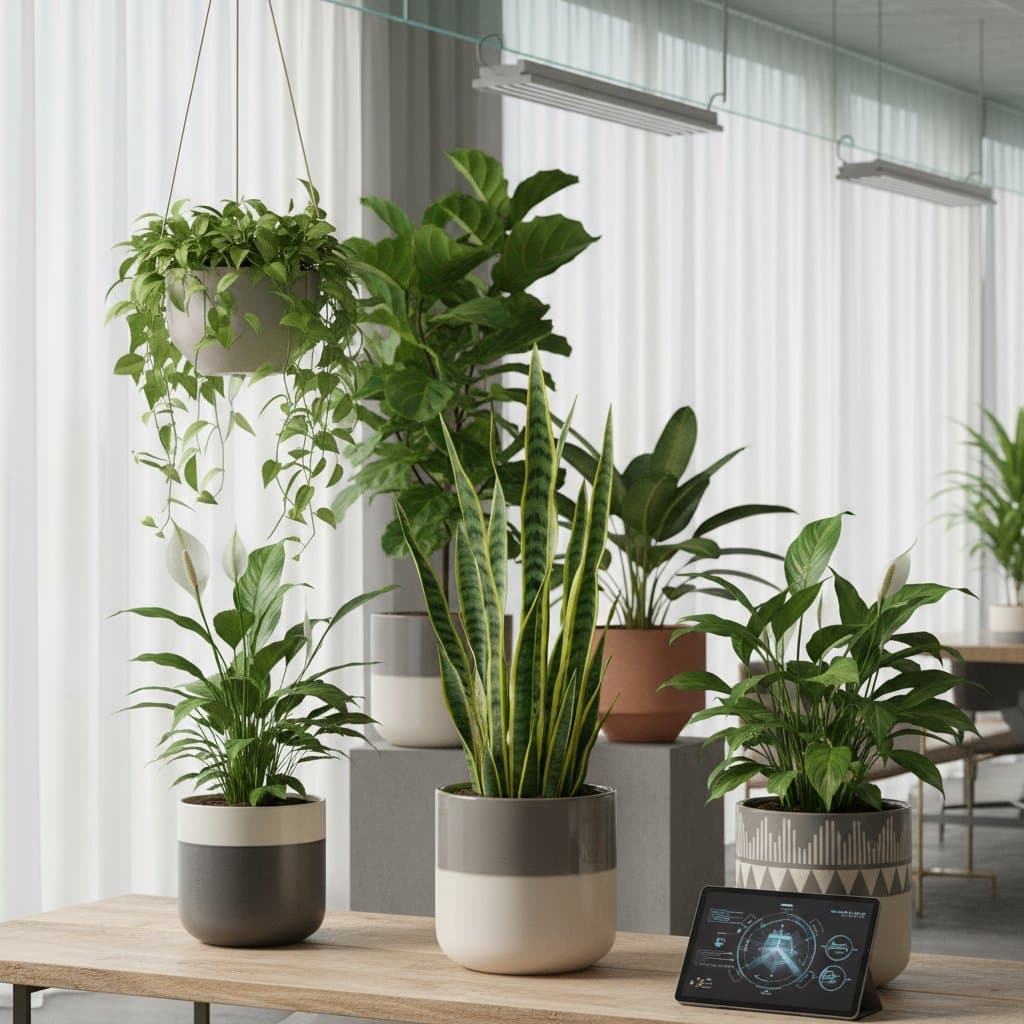
NASA's Top Plants for Removing Indoor Toxins
Indoor air often contains volatile organic compounds from sources like paints, cleaning products, and furniture. These pollutants can lead to respiratory irritation and discomfort. Certain houseplants, validated by NASA studies, absorb these toxins through their leaves and roots, offering a natural solution to improve air quality while enhancing your living environment.
Selecting the right plants involves understanding their capabilities and care needs. The following sections detail how these plants function, preparation steps, and maintenance practices to maximize their benefits.
Understanding the Science Behind Air-Purifying Plants
NASA's Clean Air Study identified specific plants that filter common indoor pollutants, including benzene, formaldehyde, and trichloroethylene. These plants process toxins via microscopic pores on their leaves, transferring them to soil microbes for breakdown. This mechanism proves most effective in sealed environments with consistent light exposure.
While beneficial, plants alone cannot fully purify air in large or high-traffic areas. Integrate them with ventilation strategies, such as opening windows periodically or using exhaust fans, to achieve optimal results. Always verify plant safety around children and pets, as some varieties contain mild irritants.
Essential Tools and Materials
Prepare the following items to establish your air-purifying plant collection:
- Well-draining potting soil formulated for indoor plants
- Ceramic or plastic pots featuring drainage holes to prevent waterlogging
- A watering can with a narrow spout or a spray bottle for precise application
- Sharp scissors or pruning shears for trimming
- Mild liquid soap paired with a soft microfiber cloth for leaf maintenance
These basics ensure healthy growth and efficient pollutant absorption without complicating the setup process.
Step-by-Step Guide to Setting Up Air-Purifying Plants
1. Select Effective Plant Species
Opt for NASA-recommended varieties proven to target VOCs: peace lily for formaldehyde removal, snake plant for benzene filtration, pothos for versatility in low light, spider plant for rapid growth, and Boston fern for humidity-loving spaces. Each thrives in typical home conditions, requiring minimal intervention once established.
2. Assess Your Space's Lighting
Position plants in areas with bright, indirect sunlight, such as near north-facing windows. Snake plants and pothos adapt well to lower light levels, making them ideal for dimly lit rooms like bathrooms or offices. Monitor for signs of insufficient light, such as leggy growth, and adjust placements accordingly.
3. Clean and Prepare Containers
Sterilize reused pots by washing them in a solution of mild soap and warm water, then rinse thoroughly to remove residues. Add a one-inch layer of small pebbles or gravel at the base to facilitate excess water drainage and reduce root rot risks.
4. Fill with Appropriate Soil
Use a lightweight, peat-based potting mix designed for houseplants to promote aeration and moisture control. Steer clear of outdoor garden soil, which compacts easily and harbors potential pathogens. Fill pots to about two-thirds capacity before planting.
5. Plant and Initial Watering
Gently remove the plant from its nursery container, loosening tangled roots if necessary. Place the root ball into the prepared pot, ensuring the top sits one inch below the rim, and firm the soil around it. Water slowly until moisture appears in the saucer, then discard any standing water after fifteen minutes.
6. Maintain Clean Foliage
Dust accumulates on leaves, obstructing the stomata responsible for gas exchange. Every two to four weeks, gently wipe surfaces with a damp cloth dipped in diluted mild soap, rinsing leaves under lukewarm water if feasible. This practice sustains the plant's filtering efficiency.
7. Promote Balanced Growth
Rotate pots biweekly to ensure even light distribution and prevent leaning. Annually inspect roots; if they circle the pot's interior, repot into a container one size larger with fresh soil to refresh nutrients and support continued vitality.
8. Enhance Effectiveness with Air Circulation
Complement plant placement with subtle airflow from a ceiling fan on low speed or cracked windows during mild weather. This movement distributes pollutants toward the plants, accelerating toxin uptake without stressing the foliage.
Key Practices: Dos and Don'ts
Recommended Actions
- Cluster multiple plants in one area to amplify collective air-cleaning effects.
- Tailor selections to room conditions, such as ferns for humid kitchens or succulents for dry bedrooms.
- Employ rainwater or filtered tap water to avoid mineral deposits that hinder growth.
- Regularly remove yellowed or wilted leaves to redirect energy toward healthy foliage.
Actions to Avoid
- Refrain from excessive watering; allow the top two inches of soil to dry out between sessions to mimic natural cycles.
- Limit fertilizers to a balanced, diluted formula applied monthly during growing seasons, as excess salts impair root function.
- Never depend solely on plants for air quality management; incorporate regular dusting, vacuuming, and HVAC filter changes.
Signs That Require Professional Assistance
Persistent issues like fuzzy white mold on soil surfaces, a musty persistent smell, or expanding yellow spots on leaves signal potential problems. These may indicate fungal infections or pest invasions beyond basic remedies. Contact a certified horticulturist or visit a reputable nursery for diagnosis and targeted treatments, such as organic fungicides or insecticidal soaps.
Investment and Effort Overview
Entry-level plants typically cost between five and twenty dollars, depending on size and variety; larger specimens like mature Boston ferns may reach thirty dollars. Budget an additional ten to fifteen dollars for pots and soil per setup. Initial arrangement takes approximately forty-five minutes for three to five plants, followed by ten minutes weekly for routine care. Factors influencing total expense include quantity, decorative pot choices, and sourcing from specialty growers.
Ongoing Care Essentials
- Watering Routine: Test soil moisture with your finger weekly; irrigate thoroughly when dry to the first knuckle, adjusting for seasonal changes.
- Light Management: Shift positions every fourteen days to promote uniform exposure and vibrant color.
- Foliage Cleaning: Schedule monthly wipes to eliminate dust and maintain photosynthetic efficiency.
- Health Monitoring: Watch for indicators like curling edges, which suggest humidity adjustments via pebble trays or misting.
- Soil Renewal: Repot annually in spring, incorporating compost-enriched mix to sustain microbial activity in the root zone.
Insights from a Horticultural Expert
Dr. Marla Jensen, a horticultural scientist at GreenSpace Consulting, explains, "Plants help remove trace gases by absorbing them through small pores in their leaves, then breaking them down in the root zone." She further notes that "pairing several medium-sized plants in a small room can make a measurable difference in perceived freshness."
Integrating Plants for Lasting Benefits
Begin with a modest selection of two or three compatible species suited to your environment. Observe their adaptation over the first month, then expand the collection to cover additional rooms. Consistent care ensures these plants not only purify air but also contribute to a serene, invigorating atmosphere. While they complement broader air quality efforts, the subtle improvements in daily comfort become evident with time.