
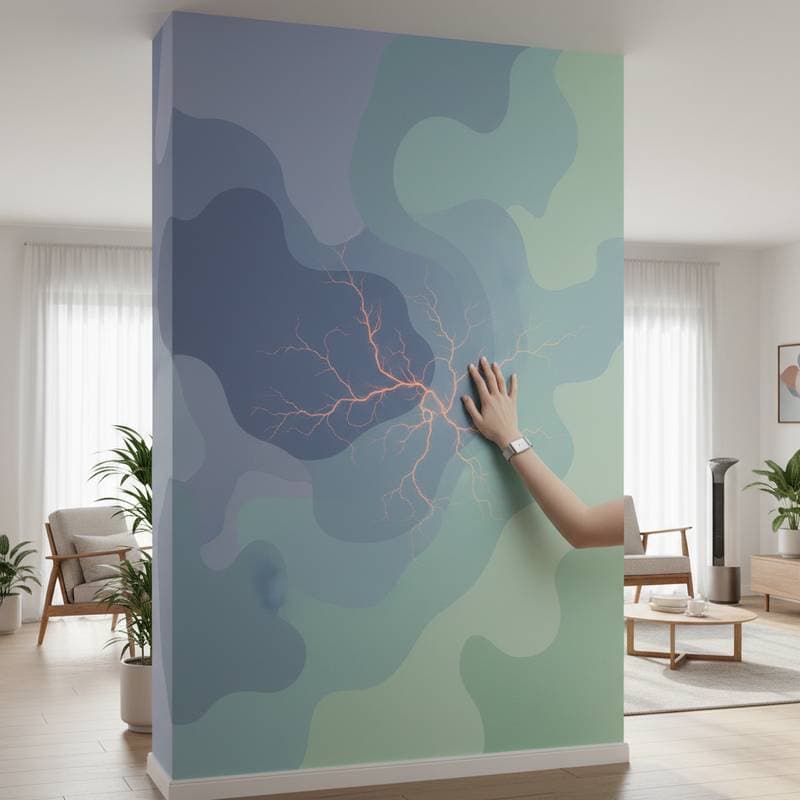
Paint That Changes Color to Signal Indoor Air Quality
Imagine entering your living room and observing a subtle change in the wall color from pale blue to soft gray. This shift signals poor air quality rather than a design error. Smart paint that alters color in response to volatile organic compounds, or VOCs, represents an innovative blend of science, sustainability, and design. Homeowners gain a visual indicator of the air they breathe, transforming walls into functional elements of decoration and detection.
This technology forms part of a broader effort to enhance healthy living spaces through responsive materials. Whether in a rented apartment or a spacious home, knowledge of how this paint operates enables informed decisions for improving indoor environments.
How Smart Paint Detects VOCs
Materials chemistry underpins the functionality of color-changing paint. Scientists have engineered pigments that respond to VOC levels in the air. Upon reaching a specific concentration, these compounds trigger a molecular reconfiguration in the paint, which modifies light reflection and produces a noticeable color variation, typically from lighter to darker shades or cool to warm tones.
Certain formulations incorporate titanium dioxide paired with organic dyes that react to airborne pollutants. Alternative versions employ microcapsules containing pH-sensitive substances activated by VOC oxidation. Despite variations in composition, the principle persists: the paint serves as an environmental detector.
Developers explore diverse reaction patterns for practical application. In a kitchen, a wall might transition from soft cream to pale green amid lingering cooking vapors. In a nursery, it could adopt a faint blush tone following exposure to cleaning agents. The intent focuses on subtle notifications that prompt actions like ventilation or air circulation, rather than stark alterations.
Where Function Meets Aesthetics
Homeowners often worry that performance-oriented coatings compromise visual appeal. Contemporary smart paints address this by prioritizing design integration. Options span matte to satin finishes and allow tinting to align with standard color palettes.
Brands collaborate with designers to select neutral base shades suitable for daily interiors. For instance, a hue named Ocean Mist may intensify slightly with elevated VOCs, while Warm Linen shifts toward cooler ivory. These gradual transitions resemble a dimming light, emphasizing usability over gimmickry.
Practical Uses Around the Home
Smart paint proves most valuable in areas prone to VOC fluctuations. Kitchens, bathrooms, and workshops suit this application due to frequent exposure from cleaners, adhesives, and paints. Bedrooms and nurseries also gain advantages, as occupants spend extended periods in enclosed spaces.
Renters can adopt this innovation through non-permanent solutions. Manufacturers produce removable panels or modular boards coated with reactive paint, which function as wall art while monitoring air quality.
Consider applying a VOC-sensitive glaze to a kitchen backsplash. When oven or stovetop emissions occur, the color change prompts activation of the exhaust fan, integrating environmental awareness into daily routines.
Understanding VOC Detection Levels
Each smart paint features a defined sensitivity threshold, quantified in parts per million. Household variants detect low concentrations, whereas industrial types respond to higher emissions. Proper calibration ensures activation only beyond normal ambient levels.
Suppliers provide reference cards illustrating color meanings. Users consult these to determine ventilation needs or to identify sources like stored solvents or newly assembled furniture.
This paint supplements, but does not substitute, professional air assessments. It offers preliminary alerts to mitigate potential issues.
Maintenance and Longevity
Smart coatings require standard upkeep. Most formulations use water-based, low-VOC bases aligned with health objectives. Clean surfaces with a damp cloth and mild soap, steering clear of abrasives that could disrupt reactive components.
Durability varies with environmental factors. In ventilated settings, sensing capabilities endure for years. Exposure to sunlight, moisture, or rough cleaning accelerates degradation. Select brands supply reactivation sprays to restore sensitivity without full repainting.
During renovations, integrate VOC-detecting paint with eco-friendly elements like formaldehyde-free cabinets or natural rugs to amplify indoor health benefits.
Smart Paint and Technology Integration
Color shifts provide straightforward feedback, yet advancements incorporate digital elements. Experimental paints embed nanoparticles or conductive materials linked to sensors, transmitting data to mobile applications.
A living room wall might subtly turn lavender with rising VOCs, simultaneously notifying a smartphone of exact concentrations. This fusion delivers instant visual and detailed digital insights.
Such integrations promote broader access to air quality monitoring. Reactive paint costs marginally more than high-end decorative varieties, democratizing health-focused home improvements.
Environmental and Health Benefits
Opting for VOC-sensitive paint extends beyond personal protection to foster sustainable practices. Visible changes heighten awareness of household introductions, encouraging selections like unscented cleaners or pre-off-gassed furnishings.
On a larger scale, adoption could curb collective indoor pollution. Structures equipped with these indicators might inspire enhanced ventilation, benefiting communities and offices.
Moreover, this technology underscores air quality's influence on mood and efficiency. Regular reminders to aerate spaces support overall wellness.
Budget and Availability
As an emerging product, smart paint approaches affordability. Prices mirror mid-tier designer options, varying by brand and customization. Sample kits enable testing on limited surfaces for budget-conscious users.
Account for primers and tools in planning. These paints apply via conventional rollers or brushes, yielding coverage comparable to traditional types. In full-room projects, blend reactive and standard paints on focal walls to control expenses.
Design Tips for Using Smart Paint
-
Select placement strategically. Target walls with steady lighting to ensure color shifts appear undistorted. Exclude areas with direct sunlight that might degrade pigments.
-
Integrate suitable illumination. Neutral-temperature LED bulbs accurately highlight subtle variations.
-
Maintain equilibrium. Offset reactive surfaces with unchanging colors to preserve room harmony.
-
Record initial states. Photograph walls post-application under typical lighting for future reference.
-
Enhance with foliage. Incorporate air-purifying plants such as snake plants or pothos to complement monitoring.
These strategies align functionality with design coherence.
Expert Insights
Interior designer Leila Tran observes growing demand for multifunctional materials. People desire secure yet attractive homes, she notes. A paint that conveys air quality information elevates decor to an informative role.
Building scientist Tomas Weber highlights potential impacts on ventilation. Homeowners respond to visual evidence by increasing fan use or adopting safer materials, he explains. The paint educates through demonstration.
Experts emphasize restraint in design. Changes must integrate seamlessly, promoting vigilance without distress.
Trying It at Home
To experiment, select a single wall in a high-traffic area like the kitchen or entry. Observe color responses across scenarios such as cooking or cleaning.
Track patterns over time. Insights might reveal shifts from candles in the living room or steam in the bathroom, guiding habit adjustments without specialized tools.
Building Healthier Habits Through Visible Cues
Incorporating smart paint cultivates ongoing environmental mindfulness. Subtle signals evolve into reliable guides for maintaining optimal air quality. This approach empowers homeowners to sustain vibrant, healthful spaces effortlessly.