
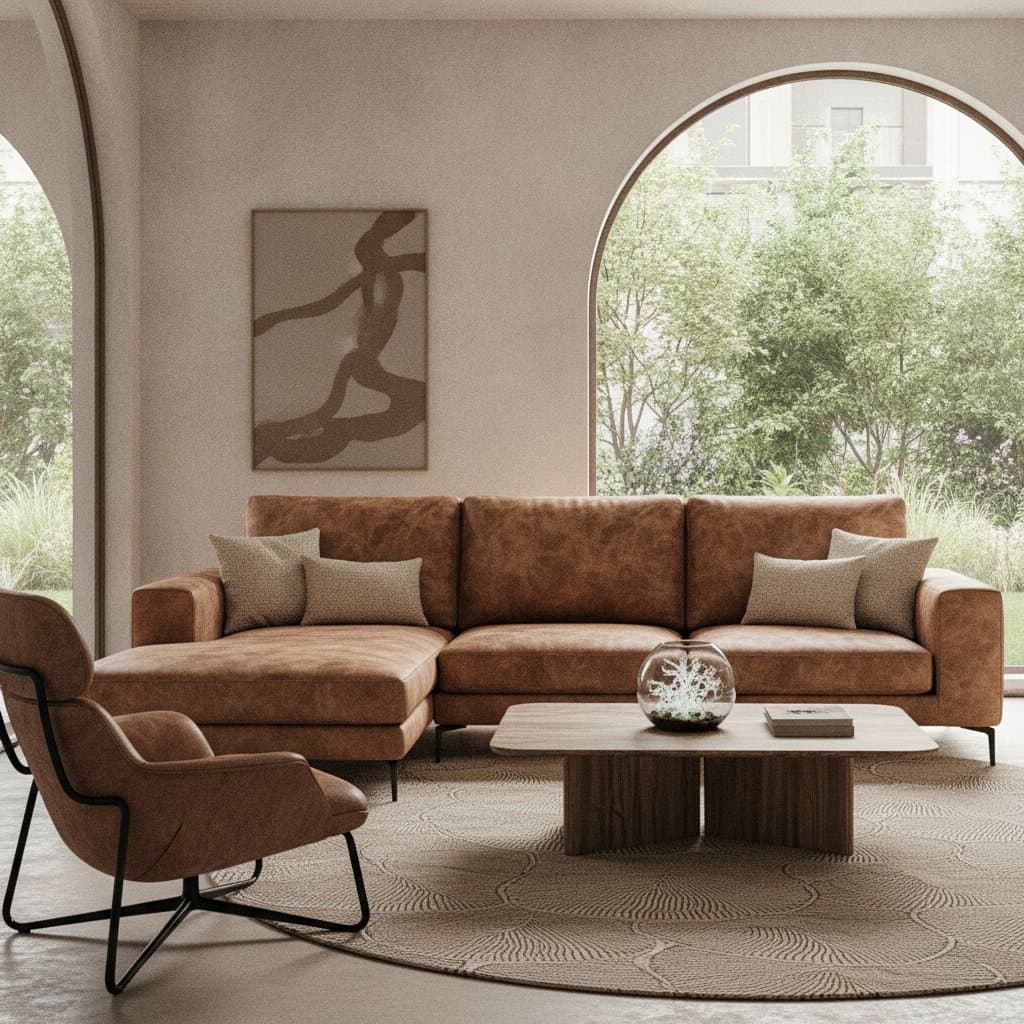
Why Mushroom Leather Upholstery Is Going Mainstream
A new material is changing furniture choices in homes and studios. Mushroom leather, grown from mycelium, now appears in living rooms and showrooms as a practical substitute for traditional leather. Its increasing use points to wider interest in materials that reduce harm to the planet.
The Basics of Mushroom Leather
Mushroom leather forms from the root network of fungi. Producers grow mycelium on farm waste such as sawdust, then dry and finish the resulting mat to create a surface that resembles animal hide. The finished material breathes, resists light moisture, and accepts plant dyes. It breaks down naturally at the end of its life, unlike plastic-based alternatives.
When applied to furniture, mushroom leather provides a matte surface and a warm feel under the hand. Growth takes place in controlled rooms rather than through livestock farming or chemical tanning. This method cuts land use and transport needs while allowing local production near workshops.
Designer Preferences for Mycelium Leather
Designers choose mushroom leather for its visual depth and responsible origin. Natural variations in the surface give each piece a unique character. Clara Nguyen notes that upholstered chairs soften room light and create a calmer setting.
The material also holds up under regular use. It stays flexible, resists surface cracks, and accepts standard leather repair methods. Tests show tensile strength close to that of cowhide, supporting daily wear on chairs and sofas.
Environmental Benefits
Mushroom leather requires far less land and water than animal leather. It grows in days on agricultural residues and returns to soil through composting. Manufacturers now build frames that separate into recyclable or compostable parts, supporting circular design goals.
Production Steps
Spores are placed on straw or sawdust and allowed to form a thick mat. The mat is then pressed, treated with plant oils, dried, and colored. Growth in molds reduces cutting waste during upholstery work. Larger output volumes have lowered prices, bringing the material within reach of more makers.
Comfort in Daily Settings
Mushroom leather warms to the touch and yields slightly under weight, avoiding the stickiness common with vinyl. A damp cloth removes most marks. Protective plant-wax coatings add spill resistance without altering the natural surface. These traits suit homes with children or pets.
Cost and Availability
Prices now sit near those of mid-grade animal leather. Smaller items such as cushions and ottomans appear in stores, letting more people try the material. Thin sheets also serve for wall panels and headboards.
Current Makers and Collections
Scandinavian workshops use mushroom leather on oak-framed chairs. Upholsterers in several European cities refinish older pieces with it. Luxury lines offer it as an option alongside conventional hides in expanded color ranges that include soft grays and deep greens.
Material Flexibility
Adjustments during growth produce sheets of varying thickness and stiffness. Thicker versions suit structured arms, while thinner ones cover curved cushions. Natural dyes allow precise color matches for custom projects.
Values and Homeowner Response
Owners select mushroom leather to match personal priorities around land use and animal welfare. One homeowner noted that covering a sofa in the material aligned comfort with lower environmental cost.
Remaining Hurdles
Early batches showed thickness differences, yet later finishing methods have improved consistency. Some buyers still expect lower performance from non-animal leather until they handle samples themselves.
First Steps for Interested Buyers
Start with small items such as desk mats or stool covers. When buying larger pieces, request details on finishing methods and biodegradability. Clear information helps match products to specific care needs and disposal plans.